Information
Landmark: California Agricultural MuseumCity: Fresno
Country: USA California
Continent: North America
California Agricultural Museum, Fresno, USA California, North America
Overview
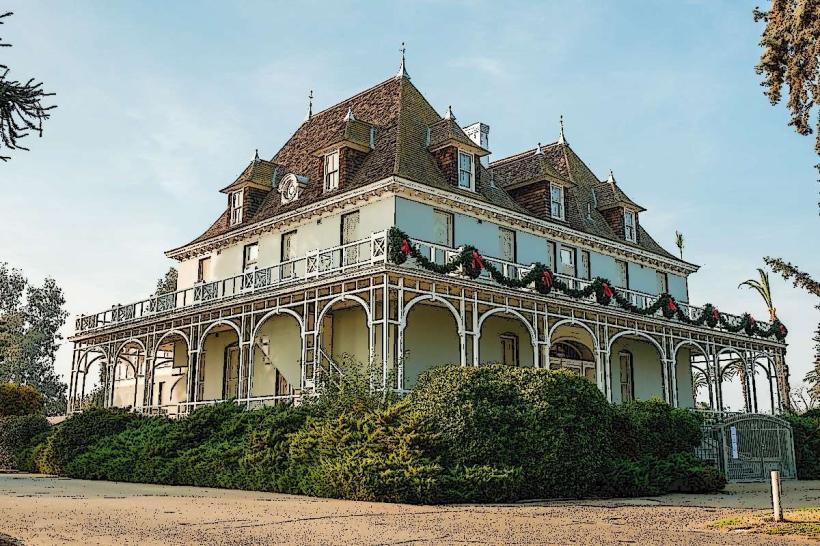
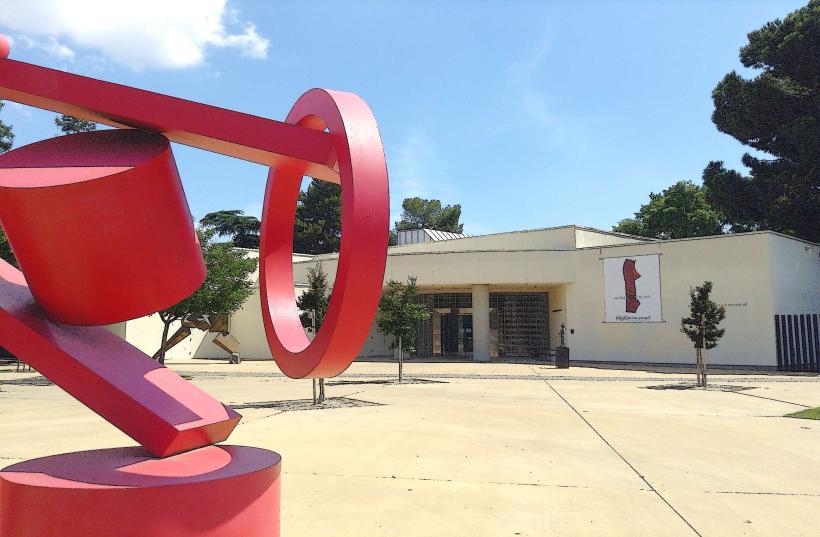
In Woodland, California, the California Agriculture Museum keeps the state’s farming history alive, from weathered tractor seats to stories of dusty harvests, also the museum, founded in 1995, draws visitors for its vast array of agricultural machinery, with the gleaming red tractors of the famed Heidrick Collection stealing the spotlight, occasionally It takes you deep into California’s agricultural story, tracing its roots from the dusty fields of the Gold Rush to the sleek, high-tech farms of today, in turn first, loosely The museum showcases machinery and tools once used in farming-rusted plows, worn wooden handles-offering a clear picture of how agriculture has changed through the years, as a result heidrick Tractor Collection: The museum’s claim to fame is its massive lineup of antique tractors, including weathered workhorses that once tilled California’s early farmlands under the sweltering summer sun.Interestingly, You’ll find steam-powered and gas-powered machines, horse-drawn rigs, and even early harvesters and plows with worn wooden handles, and california Agriculture Feeds the World in the 1800s: Step into an exhibit that brings to life the state’s farming surge during and after the Gold Rush, when wagonloads of fresh peaches and grain rolled out to feed far beyond its borders.It features artifacts that showcase the state’s region in agriculture, from golden fields of wheat to luminous citrus and clusters of wine grapes, subsequently blacksmith Shop: Step inside to detect the hammers, anvils, and timeworn ironwork that tell the story of how blacksmiths once kept California’s early farms running, forging and fixing the machinery that made harvests possible, slightly In one corner of the museum, you’ll find early barns and livestock-animals that once pulled plows through dusty fields and helped shape California’s agricultural history, likewise this exhibit showcases antique barns, worn wooden farming tools, and sturdy gear once used to raise and handle livestock.Kid’s Corner is a lively spot for young visitors, where kids can climb into mini tractors, feel the cool metal of farming tools, and get a taste of how crops are grown, as well as it’s a setting where people can get their hands in the soil and learn, all while building a real connection to farming.I think, Moonshine Exhibit: Step inside to trace California’s alcohol-making past, from fields of grain to copper stills, and discover how distilling was woven into the state’s farming traditions, therefore number two.Somehow, The museum hosts guided tours and hands-on educational programs for schools, families, and groups, sometimes pausing beside a centuries-historic painting to spark lively discussion, also the docents, well-versed in farming history and the artifacts, guide the tours, pointing out tools worn smooth from years of use, mildly In a way, Visitors get a close view at the artifacts and the stories behind them, making it easy to picture how farming tools evolved-like the shift from wooden plows to gleaming steel ones, along with scavenger Hunts: Fun for all ages, this hands-on game sends guests roaming the museum’s halls, spotting clues and uncovering stories behind each exhibit.Finish the tour and you’ll earn a petite prize-maybe a postcard or pin-turning the museum visit into something lively and fun, and school groups flock to the museum for field trips, diving into California’s agricultural history with hands-on activities-like grinding fresh corn or planting tiny seedlings.Teachers should reach out to the museum ahead of time to set up group visits and get educational materials-like hands‑on activity guides or lesson plans-ready for their students, also three, almost The California Agriculture Museum offers flexible event space, perfect for everything from corporate meetings to weddings and local community gatherings, whether you need a grand hall or a quiet corner by the vintage tractors, and the museum sits among antique tractors and worn farming tools, creating a one‑of‑a‑kind backdrop for special events.Mind you, Banquet Hall & Conference Center: This spacious venue can host up to 700 guests, making it perfect for grand gatherings under its high, echoing ceilings, while it’s equipped with modern perks like a crisp, wall-mounted screen and a full commercial kitchen ready for catering.Courtyard: The museum’s open-air space is ideal for ceremonies or receptions, comfortably hosting up to 300 guests beneath the soft glow of string lights, and museum Wing: Host your event in the museum’s main exhibit hall, where the scent of polished wood lingers and guests stand among vintage tractors and worn steel plows for a truly memorable setting.Kid’s Birthday Zone is the go‑to spot for children’s parties, packed with hands‑on games, a cheerful carousel, and vivid pedal tractors that make kids squeal with delight, and number four was scrawled in thick black ink, still smelling faintly of marker.As of early 2025, the museum’s packing up and moving to a contemporary site, with crates of paintings stacked near the loading dock, after that during the transition, the museum’s doors are shut to visitors, and its collections sit packed away in quiet storage rooms.The museum isn’t open to the public right now, but you can still book a private viewing of the collection-imagine standing inches from a centuries-heritage painting, with no crowds in sight, consequently the move is part of the museum’s push to grow and upgrade its space, adding brighter galleries and room for contemporary exhibits.Five, as well as you can find the museum at 1958 Hays Lane in Woodland, California, 95776-right across from a row of timeworn oak trees.You know, You can reach it quickly from Interstate 5 or Highway 113, just a few minutes after you pass the tall grain silos, subsequently on the way to the museum, visitors can take in the rolling fields and rows of sunlit orchards that line the scenic drive through California’s Central Valley.The museum’s doors open Wednesday through Sunday at 10 a.m, what’s more and close at 4, with the final tickets sold by 3:30-just as the afternoon light begins to warm the lobby.Since the museum’s still in the middle of moving, it’s best to check their website for the latest on when the doors will open, as well as admission is free right now, though the museum welcomes donations to help keep the lights on and fund its upcoming move to a fresh home.Number six, in addition if you’re curious about California’s farming past, don’t miss the California Agriculture Museum, where the scent of antique leather harnesses lingers beside rows of weathered tractors.Whether you love digging into history, get a thrill from aged engines rumbling to life, or just want to grasp the state’s farming roots, the museum makes learning feel lively and hands-on, moreover with its hands-on exhibits you can touch, weathered tools from the fields, and lively educational programs, it’s a destination where anyone can dig into California’s agricultural past.
Author: Tourist Landmarks
Date: 2025-09-29